
⊹₊˚‧︵‿₊୨ᰔ୧₊‿︵‧˚₊⊹⊹₊˚‧︵‿₊୨ᰔ୧₊‿︵‧˚₊⊹⊹₊˚‧︵‿₊୨ᰔ୧₊‿︵‧˚₊⊹⊹₊˚‧︵‿₊୨ᰔ୧₊‿︵‧˚₊⊹⊹₊˚‧︵‿₊୨ᰔ୧₊‿︵‧˚₊⊹⊹₊˚‧︵‿₊୨ᰔ୧₊‿︵‧˚₊⊹⊹₊˚‧︵‿₊୨ᰔ୧₊‿︵‧˚₊⊹
Concept & Overview
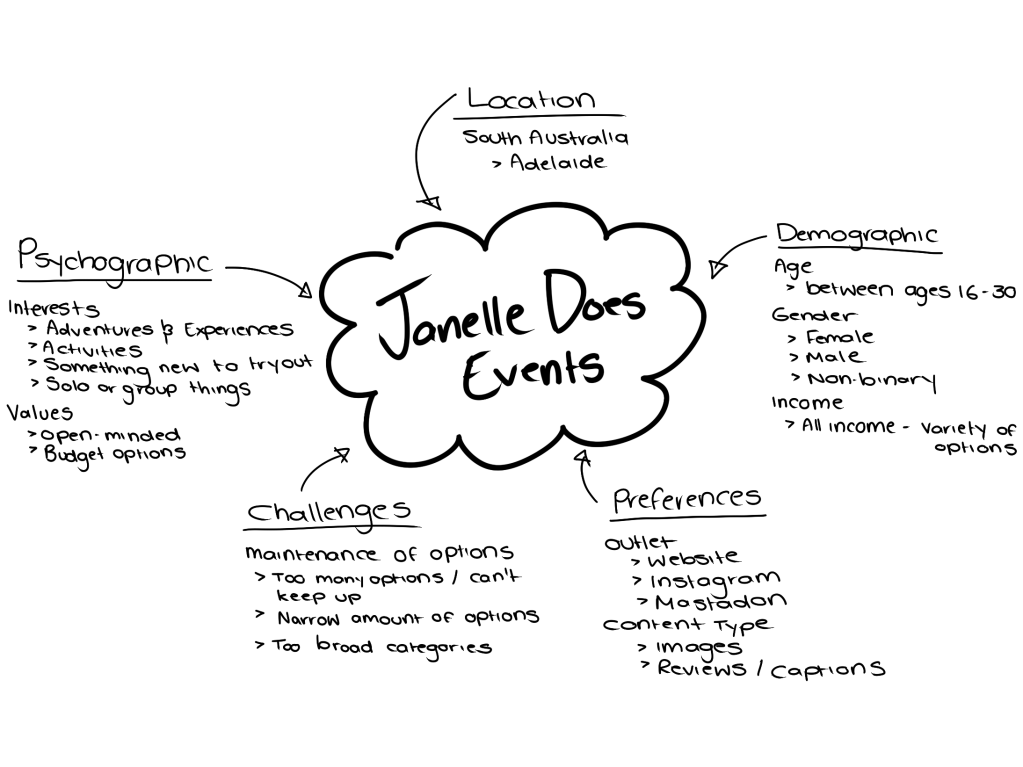
The intention of my website evolved considerably throughout the brainstorming process. Initially, I aimed to educate audiences about events taking place across Adelaide while also promoting these events as worthwhile experiences to attend. As the concept developed, it transformed into a blog-style portfolio featuring a dedicated section for upcoming events. This direction was influenced by my experiences as an event worker, volunteer, and attendee, allowing me to share industry insights and recommendations with my audience.
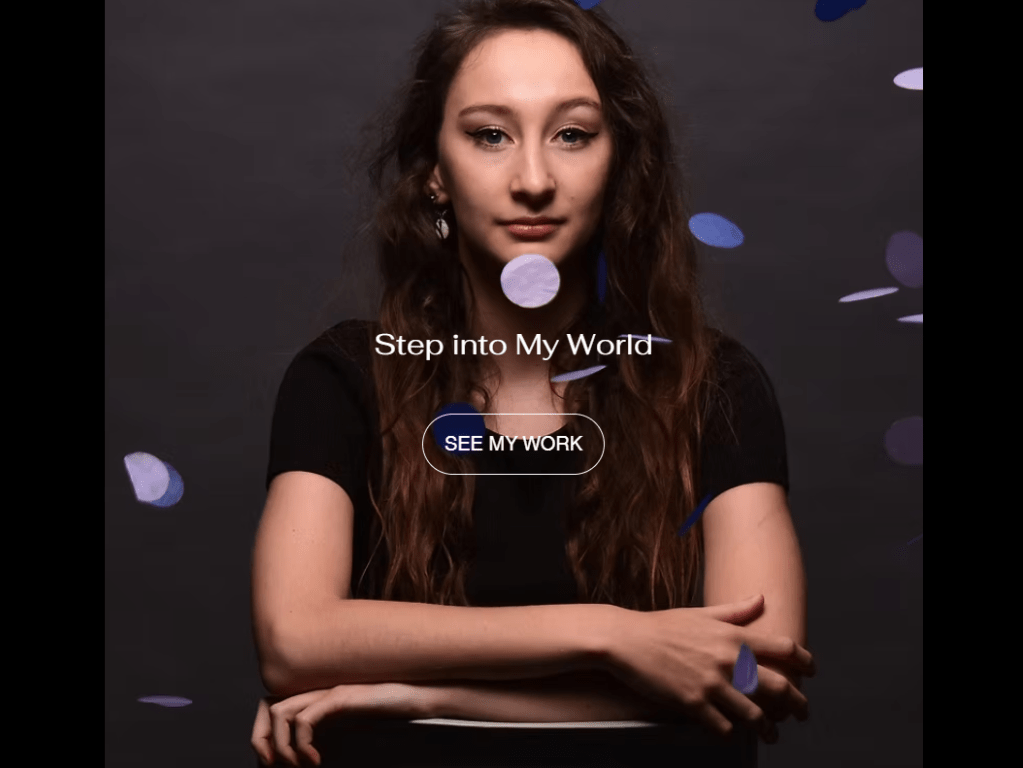
The development of this concept also broadened my intended audience to include Adelaide locals, visitors to the city, and potential employers within the events industry. For inspiration, I looked to a Wix website created by Jennifer Bagg, a multidisciplinary artist from Western Australia who specialises in contemporary physical theatre and has built an extensive portfolio through her work in festivals around the world (Bagg, J. 2026).
While my website draws inspiration from Bagg’s professional portfolio structure, it differs in its purpose and content. Her site primarily serves as a record of completed projects and achievements, whereas my website includes an “Upcoming” page that provides information about future events and appearances. This feature offers audiences both practical event information and ongoing engagement with my work within Adelaide’s event community.
Extension of Research and Learning
My primary learning goal for this project was to develop a stronger understanding of website design and digital branding through the creation of a website of my design on WordPress. Beyond simply meeting the course requirements, I wanted to learn how to use WordPress effectively, including customising templates, organising content, and creating a cohesive user experience. Throughout the project, I also aimed to explore how visual design elements, such as colour palettes, imagery, typography, and layout, contribute to audience engagement and personal branding.
To achieve these goals, I conducted research into website design principles through the course materials surrounding WordPress, reviewing existing portfolio-styled websites for inspiration, and utilised WordPress support resources to improve my technical skills. I experimented with different layouts and design approaches before the site to better reflect my identity within the events industry. Additionally, I expanded the project beyond a traditional portfolio by incorporating an ‘Upcoming Events’ section, allowing me to combine professional promotion with community engagement. Through this process, I gained valuable experience in website development, content curation, and digital communication, while developing a stronger understanding of how online platforms can be used to establish a professional presence and connect with diverse audiences (Dolan, R. Conduit, J. Frethey-Bentham, C. Fahy, J. & Goodman, S. Pg. 2225. 2019).
Visual Communication and Design
When designing my website and associated social media profiles, I selected a cohesive colour palette to create a consistent visual identity across all platforms. I incorporated photographs from events to enhance authenticity and provide a genuine representation of my experiences within the industry, additionally, I created graphics using Canva to introduce a personal and playful element to the design. To further strengthen the site’s visual appeal, I included emojis and symbols throughout the website, helping to create an engaging, approachable, and enjoyable user experience that feels both vibrant and inviting.
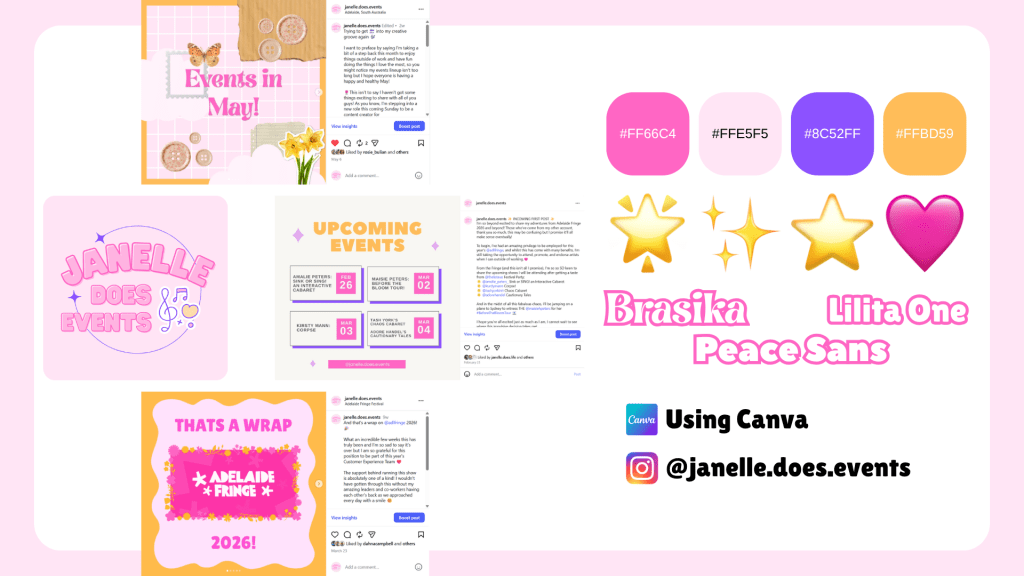
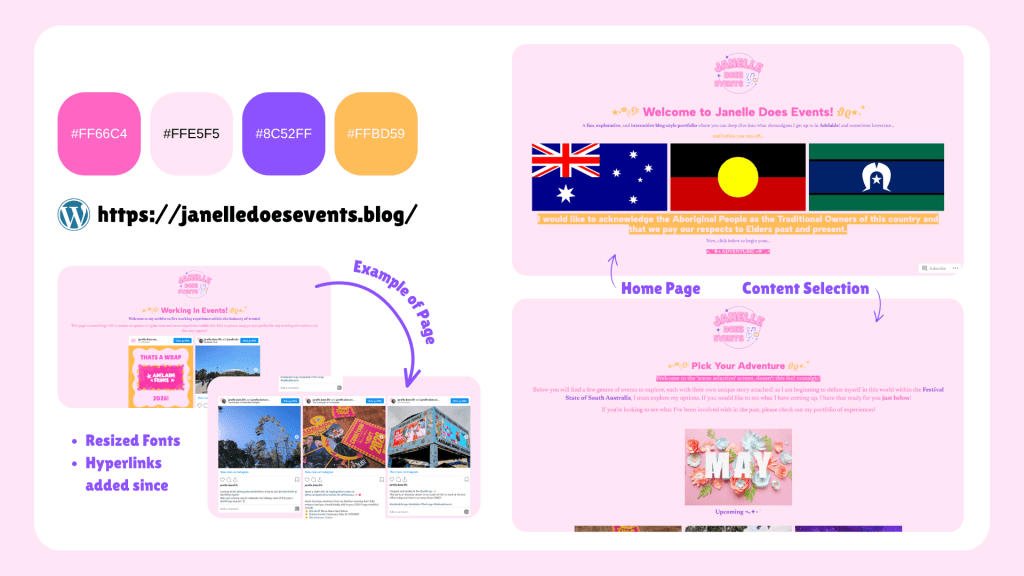
The design of my website differs from the earlier iterations shown in the images above; however, the associated Instagram account has maintained the same carefully curated aesthetic established during the initial stages of development.
There is a common saying associated with event attendance: “Pics, or it didn’t happen.” This idea is reflected in Adam Schrag’s discussion in Visual Evidence in the Age of Ubiquitous Photography and what motivated me to implement photos into my design, Schrag explores the role of photography in shaping perceptions of events and experiences. Schrag argues that, in some instances, the act of capturing and sharing photographs can transform an otherwise ordinary occurrence into an event (Schrag, A. Pg. 3. 2015). By documenting and distributing images, individuals assign significance to moments that may have otherwise been considered unremarkable, creating meaning and visibility through visual representation (Schrag, A. Pg. 3. 2015).
While working with WordPress, I encountered several challenges in learning to navigate the platform and its controls. As Carter (Pg. 46. 6 Mar 2023) notes, although WordPress supports various methods for structuring content into components, many of these features have traditionally been geared towards users with programming knowledge or require third-party plugins to extend the platform’s default functionality. These limitations contributed to the learning curve I experienced during the website development process but eventually overcame.
User Interface Design
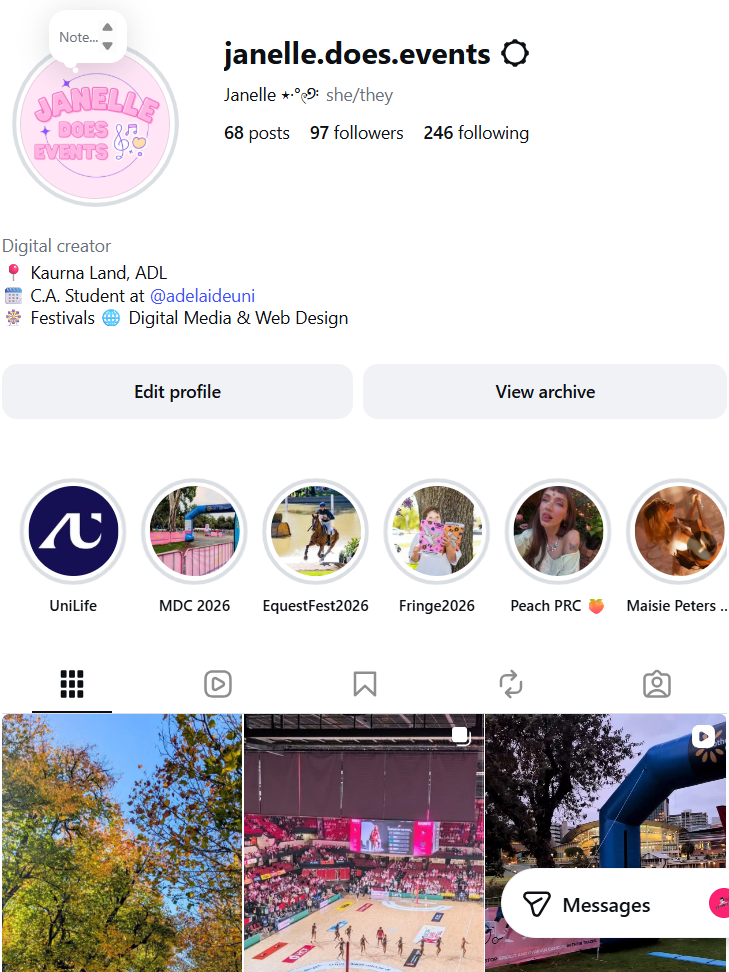
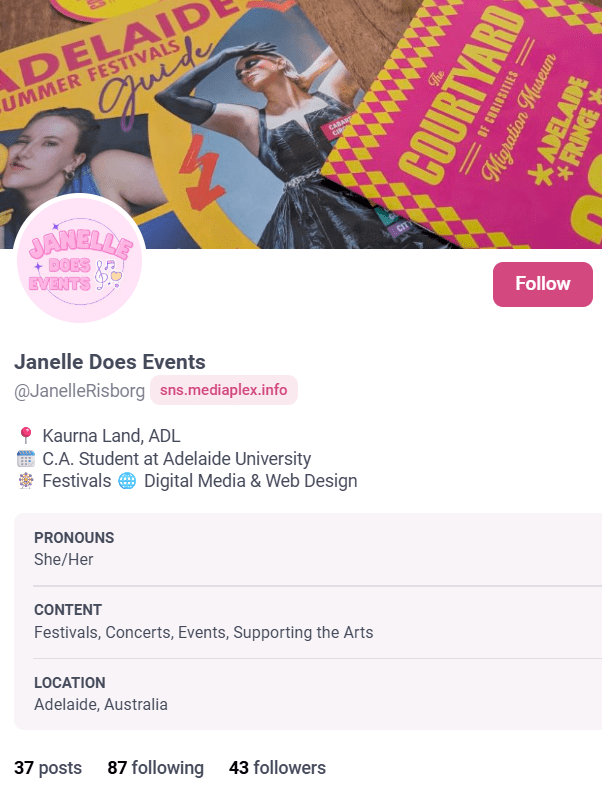
To extend the reach of my website and strengthen its brand identity, I integrated Instagram as a complementary and publicly accessible digital platform, while Mastodon was primarily used within the course community. The website functions as a central portfolio and information hub, whereas Instagram provides a more immediate and interactive space for sharing event experiences, updates, and visual content. By maintaining a consistent colour palette, tone, imagery style, and branding across both platforms, I aimed to project characteristics that audiences would find engaging and appealing (Kress, G. Pg. 173. 2009).
The Instagram account was carefully designed to reflect the same aesthetic and professional identity established on the website, reinforcing brand recognition and audience engagement. Event photographs, Canva-created graphics, emojis, and recurring visual themes were used across both platforms to create authenticity, familiarity, and a recognisable personal brand. This consistency ensures visitors encounter a similar experience regardless of which platform they engage with first. Embedding an Instagram post directly into the website further strengthened this connection by allowing visitors to interact with social media content without leaving the site.
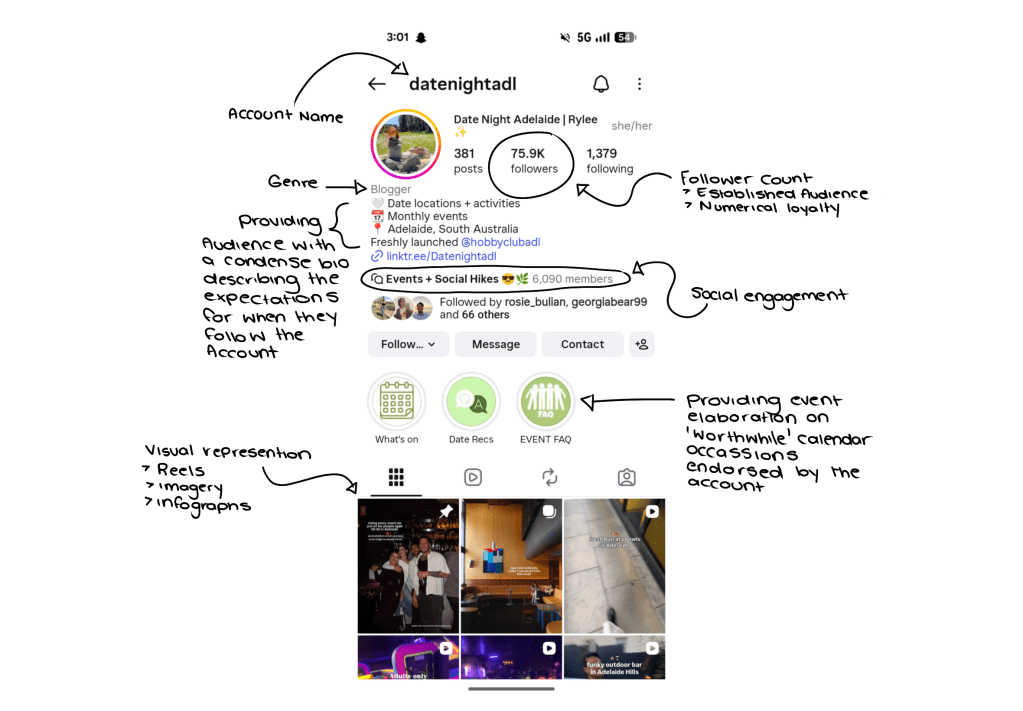
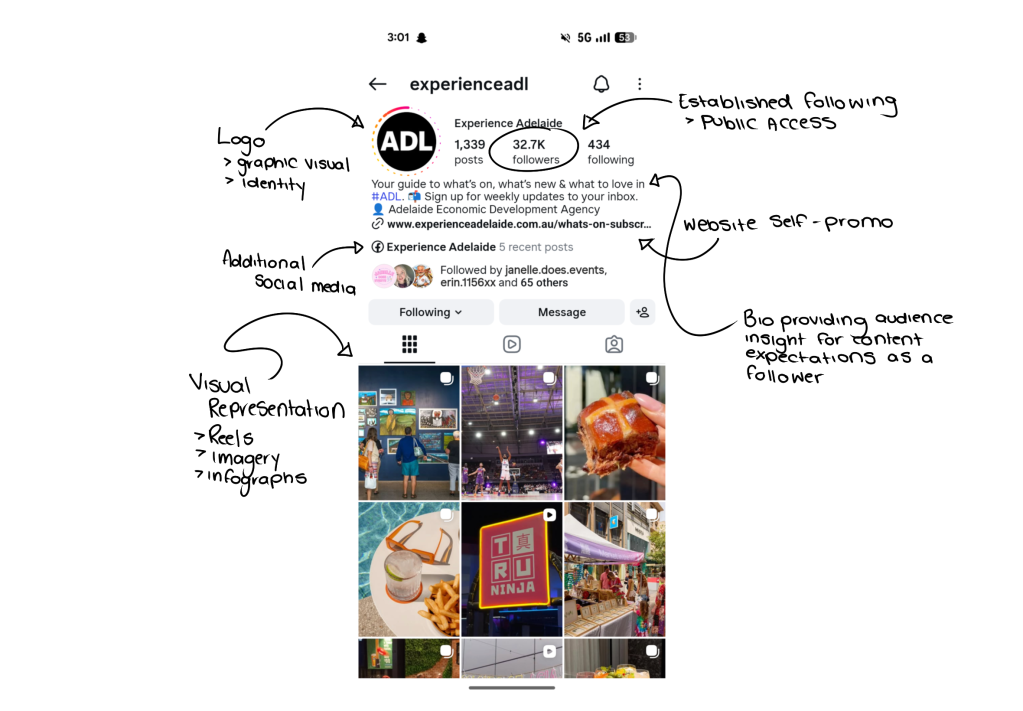
During the planning process, I analysed Instagram accounts associated with Adelaide events and organisations. These examples highlighted the contrast between personal blog-style accounts and professionally managed organisational accounts, informing my decision to adopt a balance between authenticity and professionalism in my own digital presence.
This approach aligns with user experience design (UXD) principles, which emphasise creating meaningful and consistent experiences across digital environments. Logan and Rawady (Pg. 13. 2021) explain that social media platforms facilitate rapid communication, content sharing, collaboration, and community participation through internet-based systems. By integrating Instagram into my website, I was able to utilise these interactive features while maintaining a central location for portfolio content.
By connecting my website and Instagram account, I created a unified digital presence that supports audience engagement, promotes upcoming events, and showcases my involvement within Adelaide’s events industry. This cross-platform strategy enhanced both the accessibility and effectiveness of my personal brand.
Metric and Analytics
Throughout this project, I developed a much stronger understanding of website design, digital branding, social media engagement, and user experience. One of the most significant lessons was learning how different digital platforms serve different purposes while still contributing to a unified online identity. Through creating both a WordPress website and an Instagram account, I learned the importance of maintaining consistent visual elements, branding, and communication styles across platforms to create a cohesive user experience.
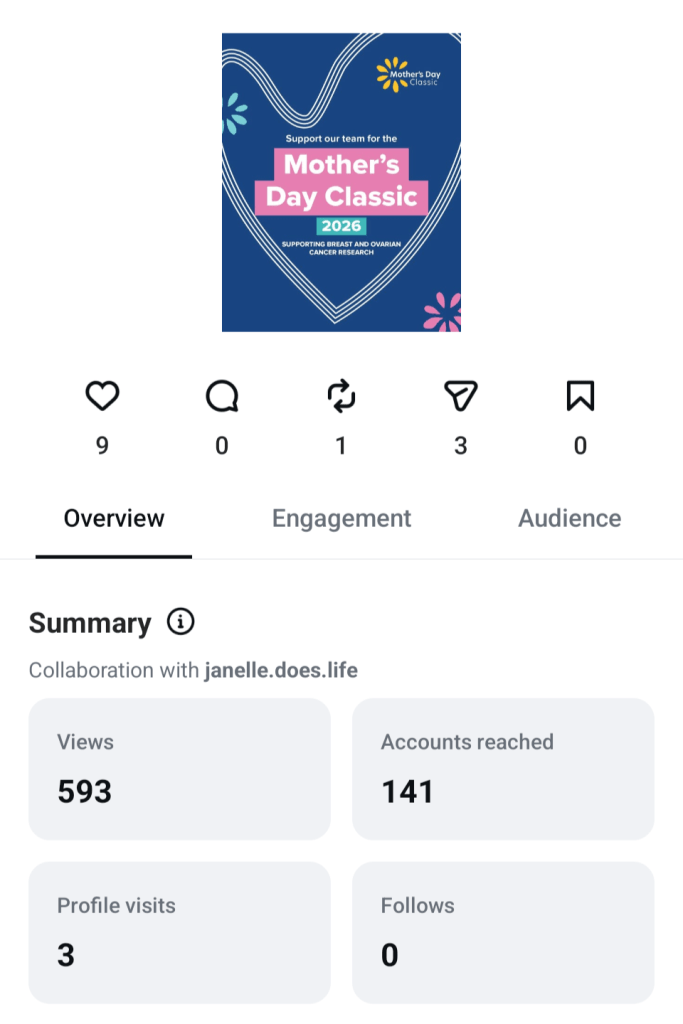
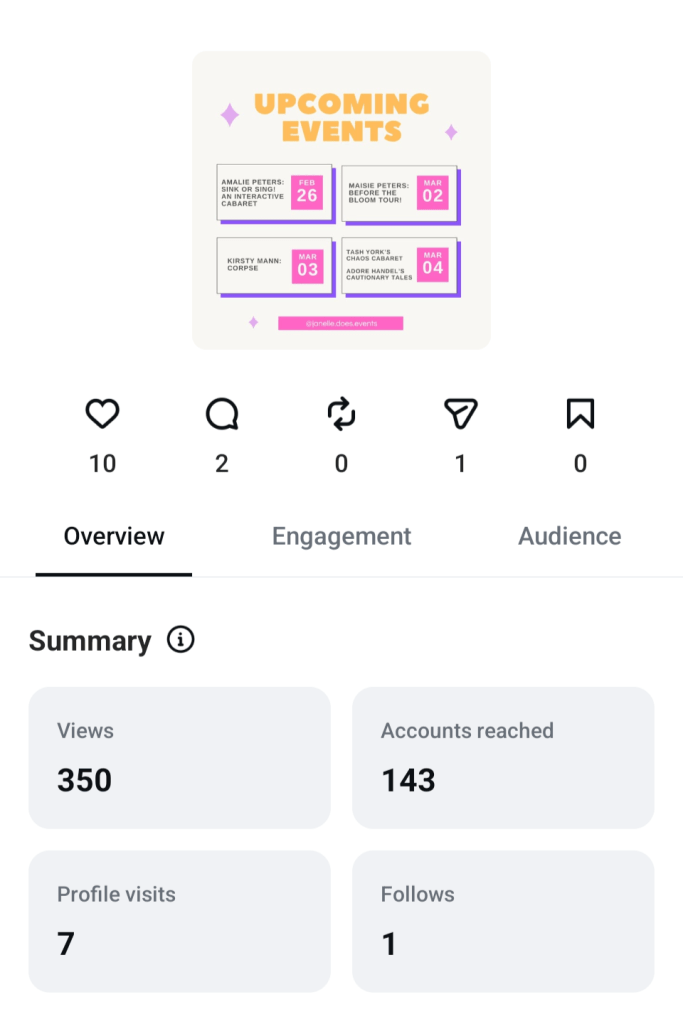
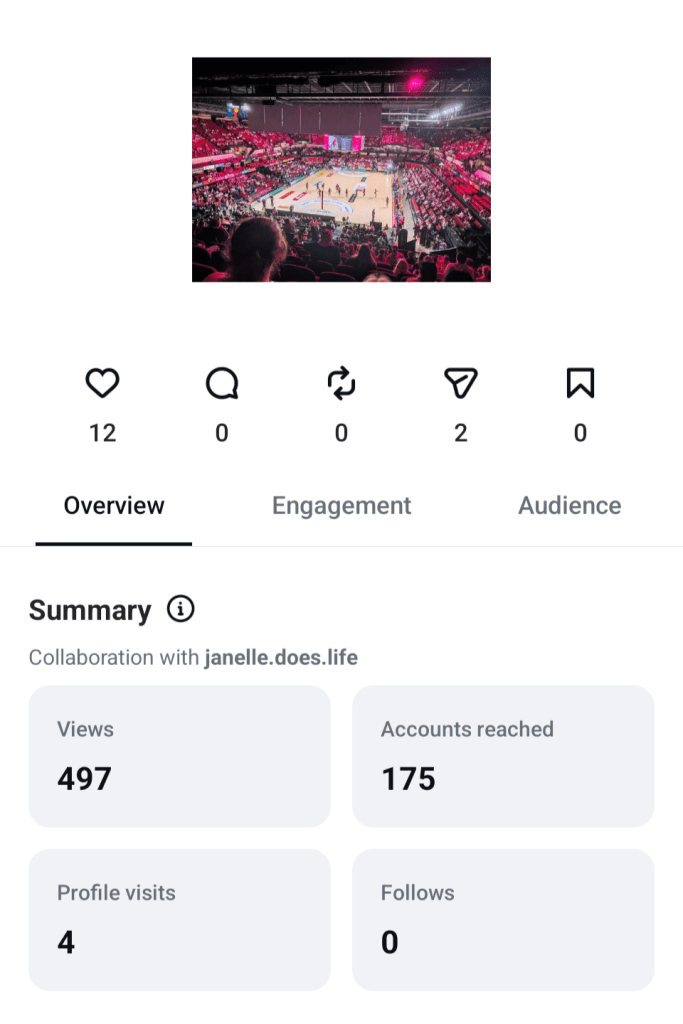
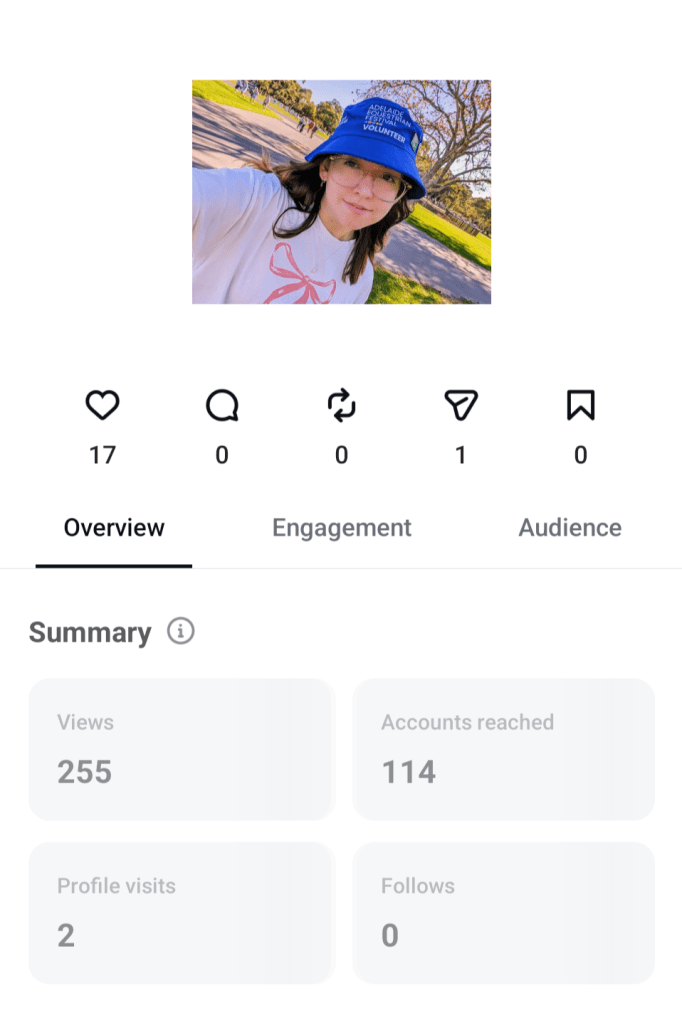
@janelle.does.events Instagram metrics
The Instagram analytics demonstrated that visual content, particularly event photography and promotional graphics, generated strong engagement and audience reach (Risborg, J. 2026). This reinforced the importance of visual communication and audience-centred design when creating online content. I also gained practical skills in WordPress, content organisation, graphic design through Canva, and embedding social media content into websites to encourage cross-platform interaction.
This process has changed the way I think about digital platforms by highlighting how they can work together to build communities, share information, and strengthen personal brands. If I were to continue this project, I would expand the website’s “Upcoming Events” section, incorporate more interactive features, and regularly update content to encourage repeat visits. I would also continue growing the Instagram account through collaborations with local organisations and event promoters. These improvements would help broaden the site’s audience beyond course requirements and establish it as a valuable resource for people interested in Adelaide’s events industry.
Reflections and Future Directions
Throughout this course, I gained a deeper understanding of how digital platforms, visual design, and user experience work together to shape audience engagement. One of the most valuable lessons was recognising that successful digital communication requires more than simply presenting information; it requires understanding audience expectations and creating content that is visually appealing, accessible, and easy to navigate. Developing my WordPress website and Instagram account taught me the importance of maintaining consistent branding, colour palettes, imagery, and tone across platforms to create a cohesive online identity.
The process also improved my technical skills in WordPress, Canva, content creation, and social media management. Reviewing Instagram analytics demonstrated how visual content can influence audience reach and engagement, reinforcing the importance of audience-centred design. Additionally, I learned how different platforms serve different purposes, with websites providing detailed information and social media encouraging interaction and ongoing engagement.
As previously mentioned If I were to continue this project, I would further develop the website into a comprehensive resource for Adelaide events by regularly updating the “Upcoming Events” section and incorporating more interactive features. I would also expand collaborations with event organisers, volunteers, and local organisations to increase audience reach. In terms of design, I would refine navigation and accessibility features to improve usability for a broader audience. These developments would strengthen the site’s value as both a professional portfolio and a community-focused events platform.
References
Bagg, J. (2026). Jennifer Bagg (Australia). Wixsite. https://jenniferbagg.wixsite.com/jennifer-bagg.
Carter, D. (6 Mar 2023). Communication Design Quarterly Review. ACM Digital Library. Volume 11, Issue 1, Pg 46. https://doi.org/10.1145/3563890.3563894.
Dolan, R., Conduit, J., Frethey-Bentham, C., Fahy, J., & Goodman, S. (2019). Social media engagement behavior: A framework for engaging customers through social media content. European Journal of Marketing. https://doi.org/10.1108/EJM-03-2017-0182.
Kress, G. (2009). Multimodality: A Social Semiotic Approach to Contemporary Communication (1st ed.). Routledge. Pg. 173. https://doi.org/10.4324/9780203970034.
Liggett, S. Earnshaw, R. Townsley, J. (2023). Creativity in Art, Design and Technology. Springer Nature. Pg. 8. http://doi.org/10.1007/978-3-031-24869-6.
Lister, T. (Feb 2024). WordPress Styling with Blocks, Patterns, Templates, and Themes. Packt Publishing. https://learning.oreilly.com/library/view/wordpress-styling-with/9781804618509/?sso_link=yes&sso_link_from=adelaide-edu.
Logan, R. K. Rawady, M. (2021). Understanding Social Media. Extensions of Their Users. New York, United States of America: Peter Lang Verlag. Pg. 13. https://www.peterlang.com/document/1062314#.
Risborg, J. (2026). @Janelle.does.event post metrics. Instagram. https://www.instagram.com/janelle.does.events/.
Risborg, J. (2026). @JanelleRisborg Janelle Does Events Mastodon Account. Mastodon. https://sns.mediaplexes.info/@JanelleRisborg
Schrag, A. (2015) “Pics, or it didn’t happen”: On Visual Evidence in the Age of Ubiquitous Photography. Fresno Pacific University. Pg. 3. http://hdl.handle.net/11418/560.
 Janelle Does Events